A data-driven recap of the digital market in 2025:The article outlines how these shifts are setting the strategic foundations for growth, efficiency, and competitiveness in 2026.
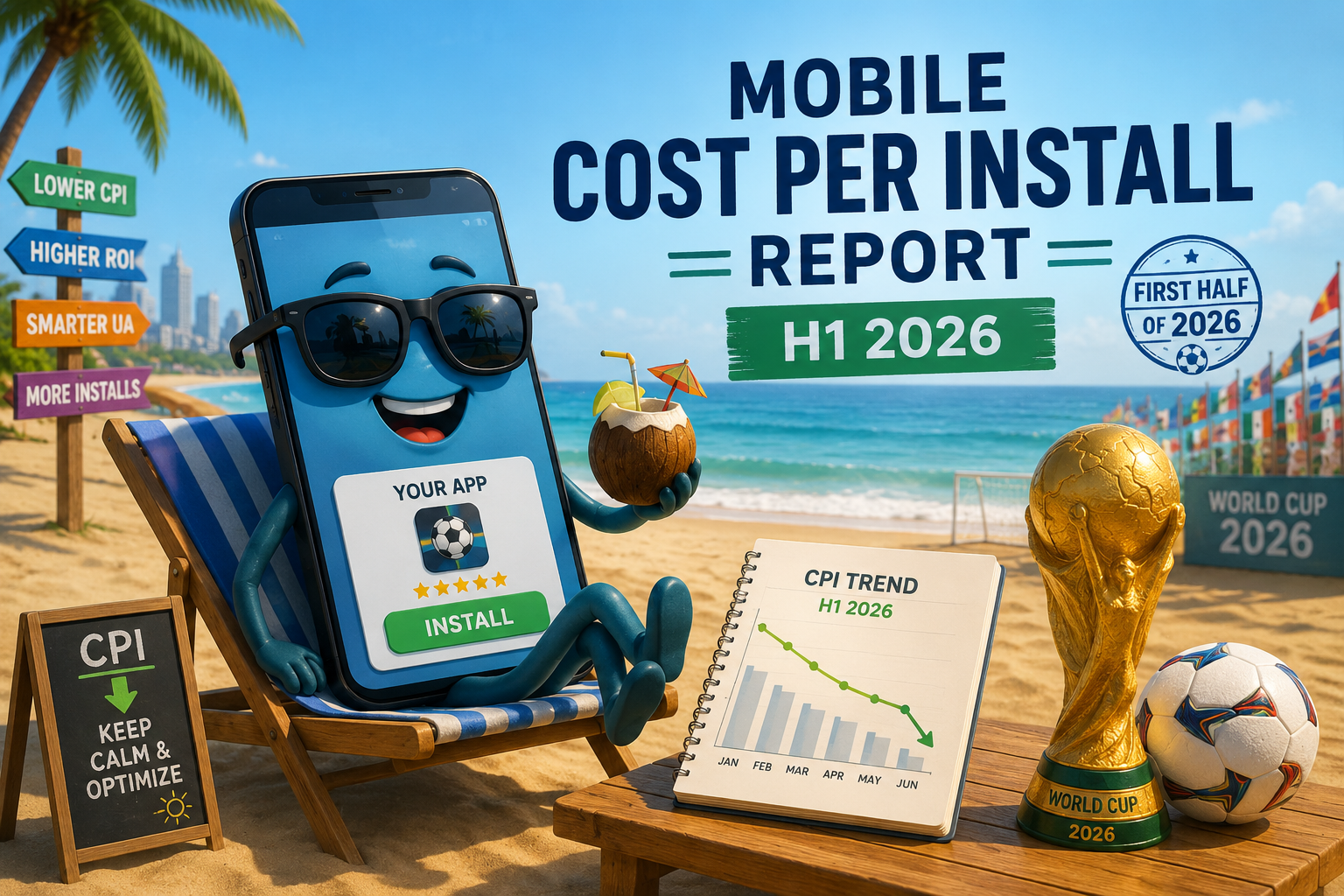
Discover everything you need to know about Cost per Installation in our latest financial report - from key factors driving CPI variations to how it differs across regions worldwide.
Explore how to unlock all Q4 growth opportunities and how to turn the seasonal peak into lasting results.
Discover the key tools and elements of a winning user acquisition strategy and learn how to apply them to achieve real results
In this article, we are gonna explain everything you need to know about user acquisition and how it can effectively make your business grow
Learn how today’s top UA teams are reducing Cost Per Install (CPI) without compromising on user quality—and how you can do the same using AI-powered optimization, smarter targeting, and creative innovation.
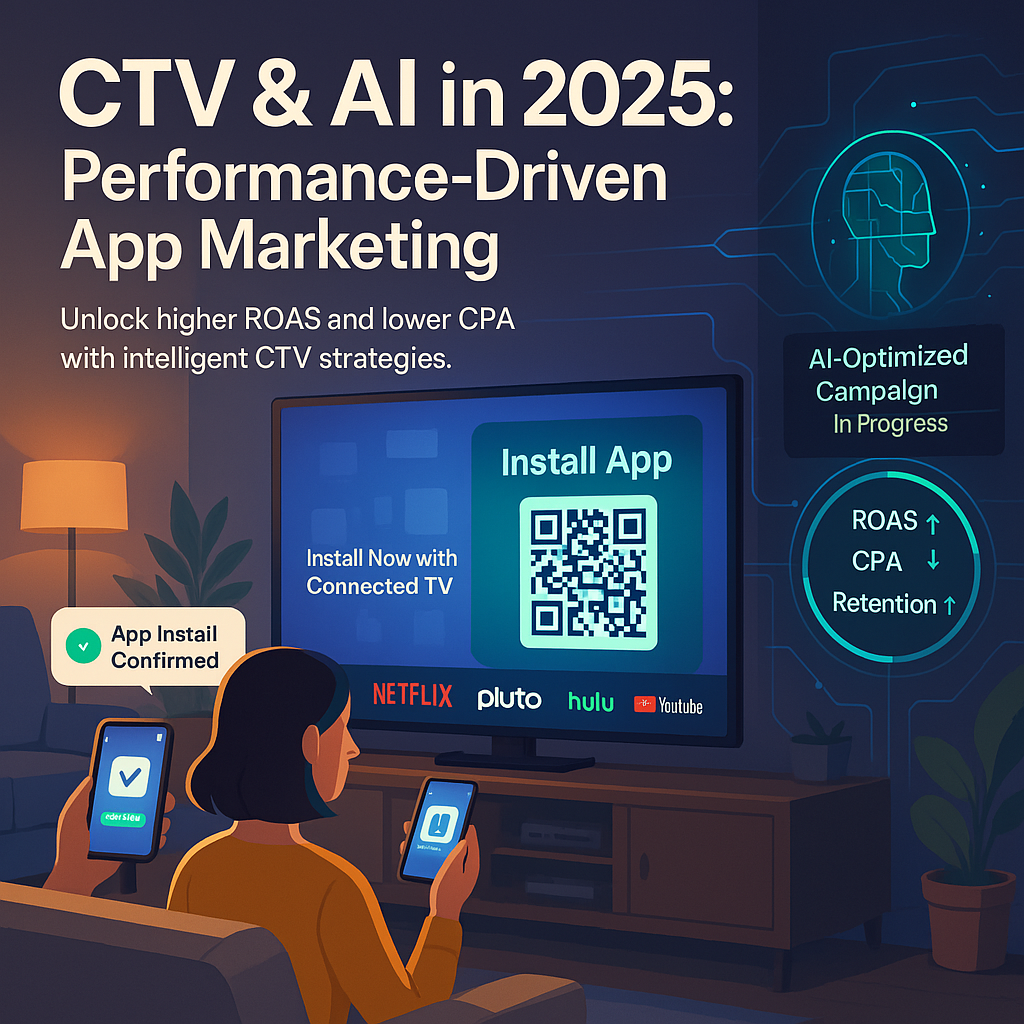
In this article, we'll explore why integrating AI with your CTV strategy is essential for staying competitive in 2025 and beyond. Discover why integrating AI with your CTV strategy is essential for staying competitive in 2025 and beyond.
Launching an app is just the beginning. With millions of apps available in app stores, standing out and gaining new users is a challenge.
Understanding Cost per Install (CPI) by app category is crucial for advertisers that aim to develop effective user acquisition strategies and optimize ad spend. Each app category has unique characteristics that significantly influence CPI, depending on factors such as competitiveness, target audience, and user engagement potential.
CPI by country refers to the variation in Cost Per Install (CPI) across different geographic regions, influenced by local economic conditions, user behavior, and market dynamics. As mobile advertising continues to grow globally, understanding these regional differences is essential for advertisers to optimize their user acquisition campaigns.
The sports app market is growing rapidly, fueled by the increasing interest in sports betting and fantasy sports apps. With the global sports betting market projected to reach $77.87 billion by 2025, user acquisition for sports apps is crucial.
User acquisition for subscription apps is a crucial factor in driving long-term growth and profitability. Unlike one-time purchase apps, subscription-based models rely on a steady influx of paying users to sustain revenue. Effective acquisition strategies go beyond increasing downloads, they focus on attracting high-value users, encouraging conversions, and maximizing retention.
Cost per Install (CPI) is a Key Performance Indicator (KPI) widely used in mobile user acquisition to measure the effectiveness of campaigns aimed at attracting new users.
App install campaigns are run based on different goals and one of the most important aspects of managing a successful campaign is measuring the performance and evaluating its effectiveness.
Over the past few years, the mobile games industry has undergone significant changes and this evolving market is reflected in the revenue trends and consumer spending patterns that emerged in 2024, showcasing both challenges and opportunities for developers.
In recent years, the success of finance apps has been driven by technological advances, the spread of smartphones, and the growing demand for simple and accessible financial services. These apps have revolutionized money management simplifying once-complex tasks and eliminating the need to go to the bank.
In the mobile marketing industry, understanding app User Acquisition Cost (UAC) is essential for maximizing the effectiveness of user acquisition campaigns. With mobile users spending 4.2 trillion hours on apps last year, competition for user attention is fiercer than ever.
CPI for mobile games is an essential metric as it helps developers and marketers assess the effectiveness of their user acquisition strategies. As mobile gaming continues to grow rapidly, with over 4.41 billion downloads in January 2025 and paid app installs expected to reach $94.9 billion by the end of the year, understanding CPI for mobile games becomes even more important in 2025.
In an increasingly competitive market, user acquisition strategies for apps are essential in order to attract new users and maintain a steady flow of installs and engagement through targeted advertising campaigns.
OTT platforms have transformed the way users consume media content, becoming an integral part of daily life of millions of people around the world. In order to attract new users and expand their subscription base, these platforms also actively engage in user acquisition campaigns.
In recent years, the use of connected TV (CTV) has grown due to the increasing use of over-the-top (OTT) platforms as an alternative to traditional cable and satellite services.
User acquisition is one of the key aspects for the success of any mobile application. In a competitive app market, being able to acquire new users is crucial to ensure growth and monetization of the app.
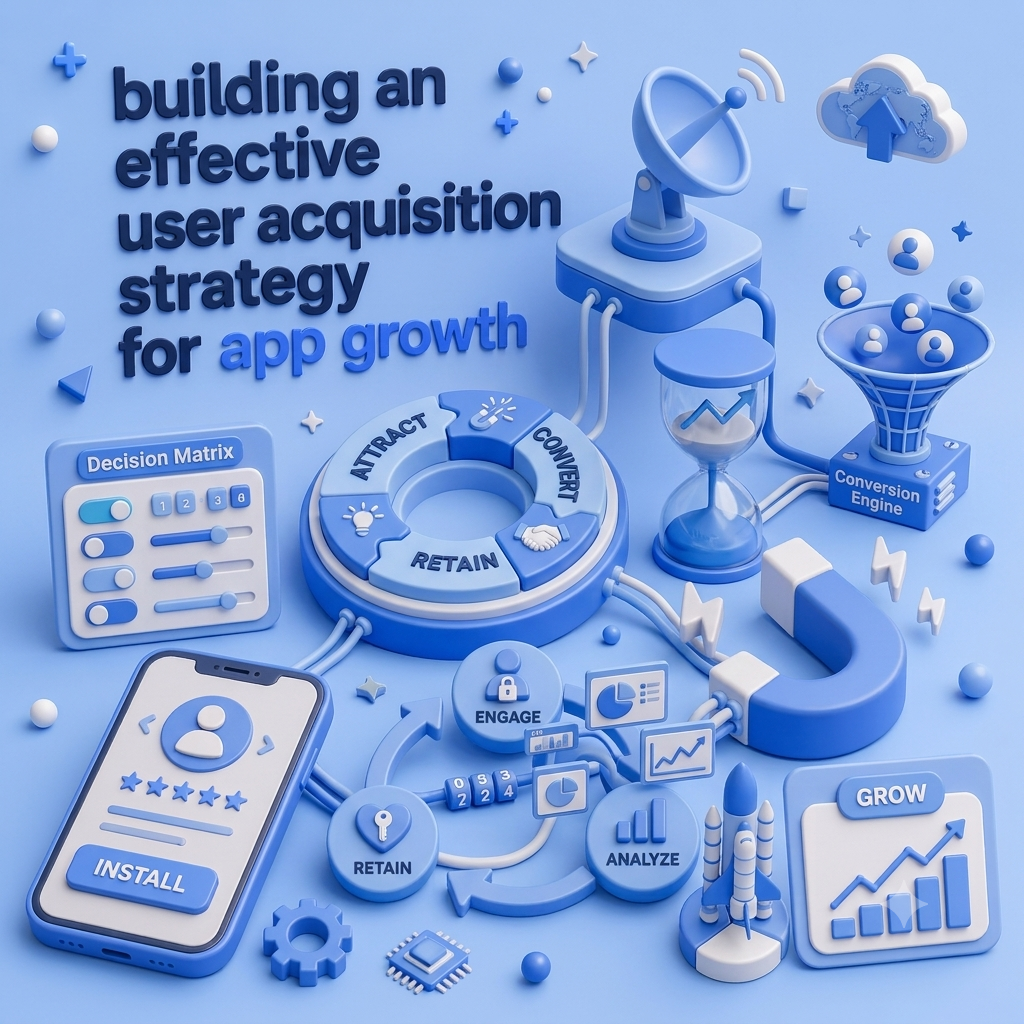
In this article you can find various strategies for app growth, including the importance of understanding your audience, setting marketing goals, and using both organic and paid methods to attract and retain users. It also mentions user acquisition channels, the role of Demand Side Platforms (DSPs), and how to track key performance indicators (KPIs) to measure success.
CTV is emerging as a powerful tool in the world of digital advertising, particularly in user acquisition (UA). User acquisition through CTV involves leveraging ads to attract new users or customers via connected devices, offering a unique opportunity to engage with an increasingly tech-savvy and diverse audience.
Mobile app promotion encompasses all marketing efforts, both organic and paid, aimed at attracting users to your app and standing out in the highly competitive mobile app market. Learn how to attract the right users and keep them coming back
Mobile advertising has become a critical aspect of marketing in the digital age. With the proliferation of smartphones and mobile devices, it is no surprise that businesses are looking to reach their target audiences through mobile advertising. One of the most popular metrics in mobile advertising is Cost Per Install (CPI).
In this article we will focus on CPI for mobile games. CPI is a crucial metric for mobile game developers and marketers because it provides valuable insights into the effectiveness of their marketing campaigns and helps them assess the return on investment (ROI) for various marketing channels or strategies.
Mobile app marketing campaigns help app developers acquire new users and grow their apps profitably. Here are 5 successful examples of app marketing campaigns run by Mapendo.
Before launching app install campaigns with new user acquisition partners, mobile game developers always set their KPIs in terms of profitability. Indeed, ROI has become the most important topic about user acquisition for mobile games.
Black Friday has evolved into one of the most anticipated shopping events of the year, and for mobile apps it presents a golden opportunity to capitalize on the surge in consumer shopping activity. With millions of people searching for the apps with the best deals, it’s the perfect moment for apps to shine, as they can leverage this high-demand period to offer personalized promotions and exclusive discounts, directly to users’ devices.
One of the most effective strategies for user acquisition is Affiliate Marketing for apps. It is an advertising channel that aims at the acquisition of mobile users for a company’s mobile app. Affiliate marketing has become one of the main tools for paid user acquisition.
In this article, we’ll explain why an effective User Acquisition Strategy is essential for the success of any app and give you some tips for optimizing your strategy. To generate revenue and promote your game or app, attracting users is crucial.
In this guide, we’ll take a deep dive into mobile app marketing campaigns, providing you with the best tips throughout every step of the campaign, from planning to launch and optimization. App marketing campaigns allow advertisers to acquire new users for their apps, potentially increasing also their ROAS and revenue.
Cost Per Install (CPI) is calculated by dividing the ad spend by the number of new installs for a mobile app. In this short article we offer a formula to calculate Cost per Install and some examples with real numbers
Bringing users to your online service is as important as getting potential customers enter through the door of your retail activity. As in any acquisition activity there are several ways to attract customers, some for free and some others paid.
Many of the advertisers we are working with use some very advanced techniques to calculate and predict Return per Install. Since the monetization funnel takes time after the install, some prediction model is needed to measure the value brought in via an user acquisition channel.
Moving towards the second half of 2023, mobile games still claim the crown as most downloaded app category. More than 90B new games downloaded, $110B spent by consumers on mobile games and a $336B ad spend on mobile games are just a few of the astonishing numbers cited by data.ai in their latest report about mobile games.
Choosing the right pricing model can be crucial in an app install campaign's success. Here, we will talk about the different aspects to this decision with a particular focus on goals and try to shed some light on this topic.
Cost per install (CPI) is a digital marketing metric that measures the cost of acquiring a new mobile app user. Specifically, CPI is the amount of money spent on advertising or marketing activities to get a user to download and install a mobile app on their device.
Mobile user acquisition (UA) is the process of acquiring new users for a mobile app or game through various marketing channels, such as paid advertising, social media, app store optimization, influencer marketing, and more. The ultimate goal of UA is to drive app installs and user engagement, which can lead to increased revenue and profitability for the app or game developer.
App promotion, a.k.a. app marketing or mobile advertising, refers to all marketing activities aimed at increasing the reach of mobile apps. Thus, app promotion is essential for advertisers who want to have their app in as many smartphones as possible.
Mobile user acquisition platforms are essential for mobile app developers who want to grow their user base and increase revenue. Even though 2023 is bringing concerns for the general economic landscape, app developers can’t do without mobile ad platforms in order to survive the fierce competition in the mobile ecosystem.
Cost per Install has been the basic pricing model for App campaigns in the last years. But there is something new that we are using together with some of our best clients. We are talking about ROAS, a marketing metric that adapts very well to the world of mobile user acquisition.
Here at Mapendo we work with many mobile game developers, who ask us to bring in big volumes of new users, while constantly aiming at their ROI target. Since it’s not an easy feat, cooperation with game developers is essential to the success of user acquisition campaigns.
In this analysis, we will weigh the similarities and differences, as well as the pros and cons, of ROI and ROAS applied to user acquisition in mobile games, while also focusing on the parameter of time in correlation with these indicators in order to improve an app install campaign.
There are many different ways to monetize an app. In here, we will dip into some features and advantages of the IAPs model, along with a few considerations on IAAs, and we will map out the approach that Mapendo employs when optimizing user acquisition and mobile games monetization.
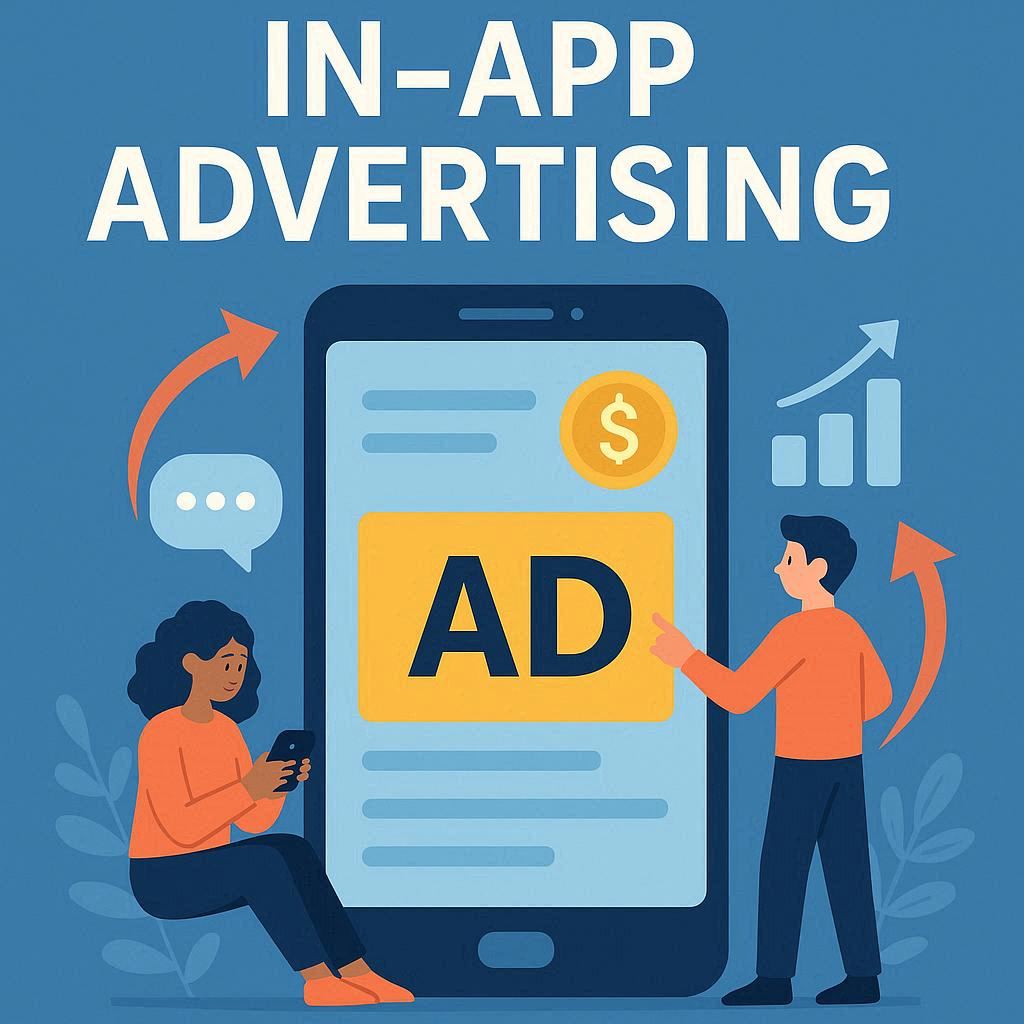
In this article, we will delve into the concept of In-App Advertising, focusing on which kind of ad formats are used in mobile games according to their category. At the same time, we will take a look at the differences between IAA and In-App Purchases, another popular monetization model in game advertising.
Thanksgiving Day not only is the one of the most important holidays of the year, but it also represents a chance for sports and betting apps to put out some special content and unmissable opportunities to acquire new users and get additional revenue. Here are 3 important sports app and their promotions for Thanksgiving 2023.
Adjusting CPA in your subscription app becomes vital if you really want to optimize it and monetize it. This post will investigate several strategies with which you will be able to lower CPA in your subscription app.
If you have developed a mobile game and don't know how to promote it, don't say anything else. We have compiled all the necessary knowledge in this guide, with one goal in mind: to plan an effective marketing campaign for your app.
In this article, we’ll delve more into the topic by describing how to analyze a possible drop in your mobile games’ ROAS, and outlining how we at Mapendo work in order to optimize user acquisition towards ROAS.
ROI seems to be the holy grail for mobile games’ developers, when talking about user acquisition. Don’t get me wrong, acquiring huge volumes of new users is still the ultimate goal, as long as such users generate revenue and bring value to the business.
In app install campaigns, app developers partner with sources like ad networks, DSPs and affiliate networks to acquire new users for their apps by showing them ads. Advertisers pay their UA partners through 2 different pricing models: CPI and CPA.
Mobile game promotion uses a lot of different ads formats. Every mobile game marketer knows very well that one format is not enough, she must use a mix of formats and sources in order to achieve the best results, in terms of volumes and return on investment.
App marketing has always been about getting new users and scaling volumes as much as possible, at least until a few months ago. However, with advertising budgets now tightening, ROI and profitability have become the main focus of mobile app marketing campaigns. Therefore, we’ve put together a list of best practices to make your app promotion efforts ROI-positive and acquire new users profitably.
A mobile DSP (Demand Side Platform) is a software automation tool used in mobile advertising. Mobile DSPs allow to gather, combine and analyze very large datasets to execute mobile advertising campaigns. Advertisers use mobile DSPs to manage and purchase ad inventory (banner, native, video ads) in a marketplace populated with ad placements from publishers.
The user acquisition process for mobile games is a holistic process involving many actors that can be optimized at various stages.
When looking to increase app installs through user acquisition campaigns, CPI is often the main pricing model employed in such campaigns, and it can be fixed or variable depending on the negotiation between advertisers and app marketers.
In this day and age, mobile app marketers are charged with the difficult task of finding the unbeatable combination of marketing activities to grow their app. We want to provide our help by exploring 3 app marketing strategies which have proven decisive for successful paid user acquisition campaigns we have run in the past quarter.
Follow as we unravel why there has been such unprecedented growth in the Fintech app industry; taking a closer look at what the best practices for achieving customer acquisition are ,and also the most recent trends that can help you with your fintech app customer acquisition strategy.
Before diving into the nitty-gritty of how mobile DSPs work, this post will focus on defining what exactly a demand side platform is and why they are so important in digital advertising for your mobile user acquisition.
CPI and CPA are the two main payout models in mobile marketing campaigns: they best suit different purposes — such as enlarging the app user base or specifically aiming at high-quality users — and knowing the differences between them is crucial for you to work towards a successful app install campaign.Here is everything you need to know about CPI and CPA campaigns. Let’s start off with the first model, CPI.
The key to achieve a successful app install campaign is to design an effective strategy and constantly work for the app campaign optimization after the launch. There are different steps and techniques that can help your app campaign optimization, and we will take a look at them here.
In this day and age, programmatic advertising has easily become the key for any app user acquisition strategy. According to IAB’s latest report about mobile app marketing, advertisers will allocate half of their entire advertising budget on programmatic advertising.
Reinforcement Learning (RL) refers to a kind of unsupervised machine learning method that is concerned with how agents should take actions in an environment. Unlike supervised learning, which is based on given sample data or examples, the RL method is based on interacting with the environment.
The right DSPs can actually help you and your business to deal with the several challenges of your mobile user acquisition strategy, but what’s more important is that they can give you the lead of your mobile app install campaigns.
Acquiring new users is not easy. User acquisition pushes users to the app store, to download and open your app. But this does not mean that you have won. Installing your app, does not mean that users are using it. Read here to learn how to acquire new users.
It’s been a year of big changes for Apple and 2021 keynote was just another step in a clear direction: privacy. Apple’s commitment to protect user’s data started with the announcement of ATT and IOS 14.5 a little over a year ago
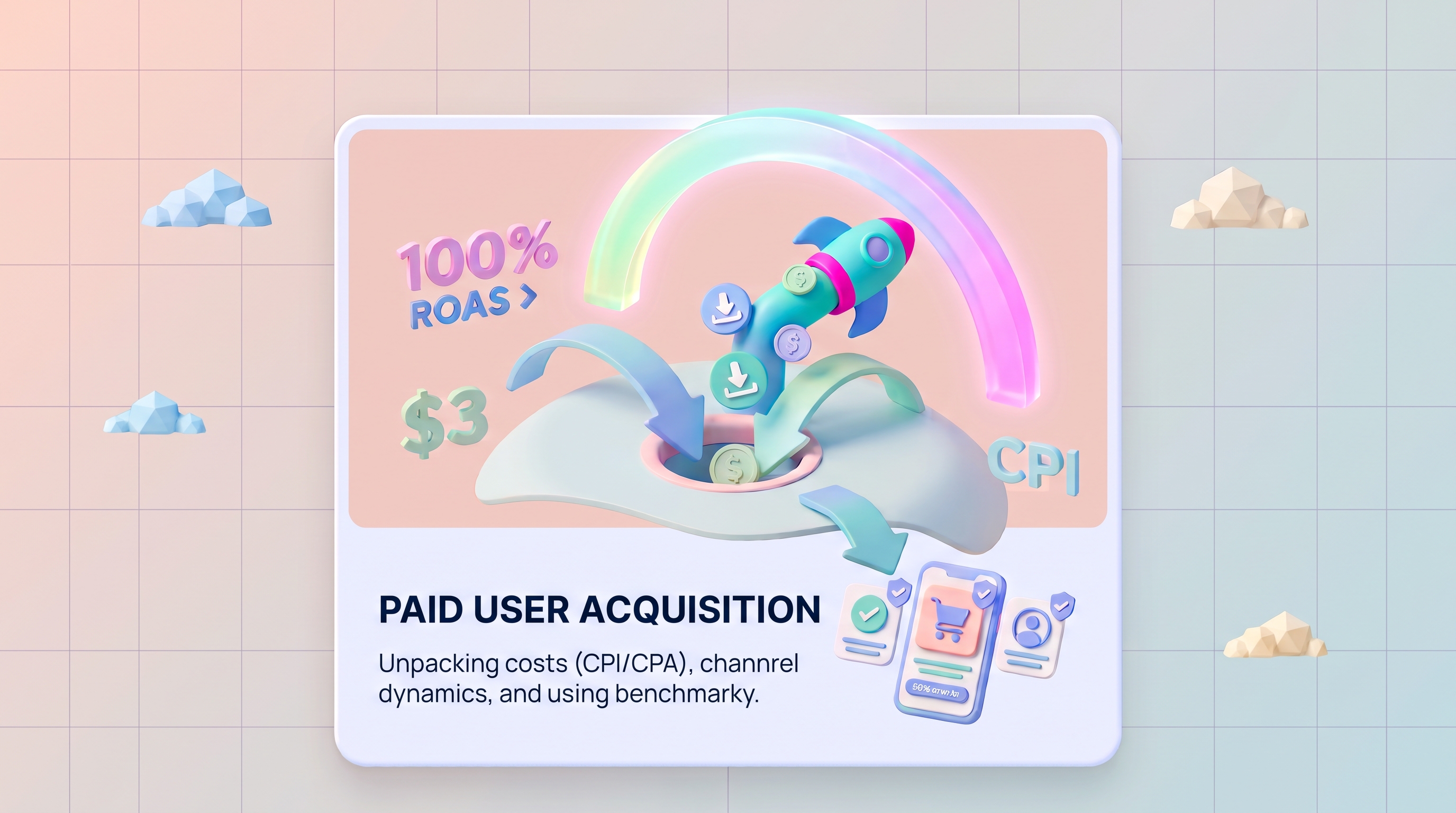
When looking for strategies to grow your app user base, everybody can tell you that paid user acquisition is the real deal. It helps acquiring high-quality users at scale while also increasing your in-app revenues, providing a valuable addition to your organic traffic.
Here we are going to see what mobile programmatic is, why it is so important in any mobile app user acquisition strategy and explore the advantages you will get for your app install campaign from using mobile programmatic.
A successful app user acquisition effort requires constant app campaign optimization too. In order to develop an effective app install campaign strategy, it is necessary to know how it works and its key elements
App installs and all consequent actions related to this can occur in several ways, but we will now discover the main benefits of developing a well-structured paid user acquisition (UA) strategy which includes app install campaigns.
Optimizing the visibility and growth of your app in today’s market is far from easy. But what is the secret? A strong user acquisition strategy combining organic and paid user acquisition that will help drive users to install your app.
While organic UA is undoubtedly a fundamental part of any UA strategy, this article will focus on why it is vital to invest in paid user acquisition. And invest wisely at that.
In this digitalized era it goes without saying that competition is fierce. With the growing trend moving towards in-app revenue as the shining beacon of success, for mobile app marketing, ROAS is taking the spotlight.
When it comes to mobile app marketing, what is the indicator of success? The answer is simple: knowing the correct mobile app metrics you need to follow when analyzing your data. While it may sound simple, whichever metrics you decide will have a big impact.